
Differential Scanning Calorimeter (DSC)
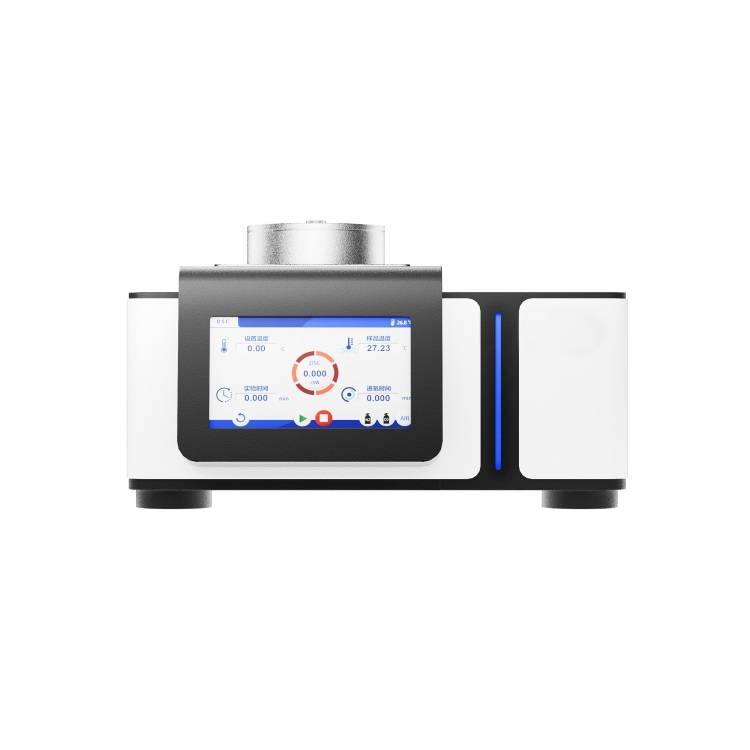
DSC 600C Differential Scanning Calorimeter for Polymer Testing
CHEESION DSC 600C Differential Scanning Calorimeter supports polymer thermal analysis from minus 40 to 600 C, including Tg, melting, crystallization, OIT and heat flow testing.
High Precision Heat Flow DSC for Material Research and Quality Control
The CHEESION DSC-600C Differential Scanning Calorimeter is a heat-flow DSC system designed for studying physical and chemical thermal effects under controlled temperature programs.
Differential Scanning Calorimetry is widely used in material research, process optimization, quality control and failure analysis. The DSC-600C can be used to investigate phase transitions in inorganic materials, melting and crystallization behavior of polymers, polymorphism in pharmaceutical materials, and solid-to-liquid phase behavior in food and related materials.
The instrument measures thermal events including glass transition temperature, melting point, melting temperature, crystallization temperature, crystallization enthalpy, phase transition heat, thermal stability, curing and crosslinking behavior, and oxidation induction time.
The DSC-600C features an integrated instrument design to reduce signal loss and interference, helping improve sensitivity, resolution and baseline stability. It uses a high-frequency control processor and high-sensitivity sensor to improve response and measurement accuracy.
Independent atmosphere control allows gas channels to be configured through software and switched automatically during testing. The system also supports multi-point temperature calibration, FTC and STC experimental modes, adaptive dynamic PID temperature control and programmable multi-stage temperature programs.
Heating, cooling and isothermal experiments can all be performed, making the DSC-600C suitable for a broad range of research and industrial thermal analysis applications.
| Item | Specification |
| DSC range | 0 to ±2000 mW |
| Temperature range | −40 °C to 600 °C (mechanical cooling) |
| Timing frequency | 16.6 Hz |
| Heating rate | 0.1 to 100 °C/min |
| Cooling rate | 0.1 to 50 °C/min |
| Temperature resolution | 0.001 °C |
| Temperature fluctuation | ±0.01 °C |
| DSC noise | 0.001 mW |
| DSC resolution | 0.01 μW |
| DSC accuracy | 0.001 mW |
| DSC sensitivity | 0.001 mW |
| Experiment mode | FTC / STC, freely selectable |
| Programmable temperature control | 12-step full-stage control, flexible setting |
| Temperature control method | Heating, isothermal, cooling |
| Scan type | Heating, cooling, isothermal scan |
| Atmosphere control | Two gas paths, freely set, automatic switching |
| Gas flow rate | 0 to 200 mL/min |
| Gas pressure | 0.2 MPa |
| Display | 24-bit color, 7-inch LCD touch screen |
| Data interface | Standard USB interface |
| Sampling rate | 1 to 10 Hz, programmable |
| Instrument calibration | Both lower and upper computers support multi-point temperature calibration |
| Parameter standard | Standard reference material included, user can self-calibrate temperature and enthalpy |
| Operating voltage | AC 220 V / 50 Hz or customized |
| Operating power | 300 W |
The CHEESION DSC-600C is suitable for thermal analysis of polymers, plastics, chemicals, pharmaceuticals, inorganic materials, food materials and other research or industrial samples.
It can be used to determine glass transition temperature, melting point, melting temperature, crystallization temperature, crystallization enthalpy, phase transition heat and specific heat capacity. These measurements are useful for studying material structure, thermal behavior and processing characteristics.
For polymer and plastic materials, the DSC-600C can analyze melting, crystallization, glass transition and thermal stability, supporting formulation development, raw material comparison, process optimization and quality control.
The instrument also supports oxidation induction time testing, making it suitable for evaluating the oxidation stability of polymer materials and products under controlled atmospheres.
In pharmaceutical and chemical research, DSC can be used to study polymorphism, phase transitions, curing and crosslinking reactions, as well as other heat-related physical and chemical changes.
For universities, research institutes and industrial laboratories, the DSC-600C provides heating, cooling and isothermal scanning modes for material research, product development, quality assurance and failure analysis.
Typical Test Functions
Glass Transition Temperature
Melting Point
Melting Temperature
Crystallization Temperature
Crystallization Enthalpy
Phase Transition Heat
Specific Heat Capacity
Thermal Stability
Curing and Crosslinking
Oxidation Induction Time
Heating Analysis
Cooling Analysis
Isothermal Analysis
Reference Standards
ISO 11357-2:2020 — Plastics Differential Scanning Calorimetry DSC Part 2 Determination of Glass Transition Temperature and Step Height
ASTM E1356-25 — Standard Test Method for Assignment of the Glass Transition Temperatures by Differential Scanning Calorimetry
ISO 11357-3:2025 — Plastics Differential Scanning Calorimetry DSC Part 3 Determination of Temperature and Enthalpy of Melting and Crystallization
ASTM D3418-21 — Standard Test Method for Transition Temperatures and Enthalpies of Fusion and Crystallization of Polymers by Differential Scanning Calorimetry
ISO 11357-4:2021 — Plastics Differential Scanning Calorimetry DSC Part 4 Determination of Specific Heat Capacity
ASTM E1269-24 — Standard Test Method for Determining Specific Heat Capacity by Differential Scanning Calorimetry
ISO 11357-6:2025 — Plastics Differential Scanning Calorimetry DSC Part 6 Determination of Oxidation Induction Time Isothermal OIT and Oxidation Induction Temperature Dynamic OIT
ASTM D3895-19 — Standard Test Method for Oxidative Induction Time of Polyolefins by Differential Scanning Calorimetry
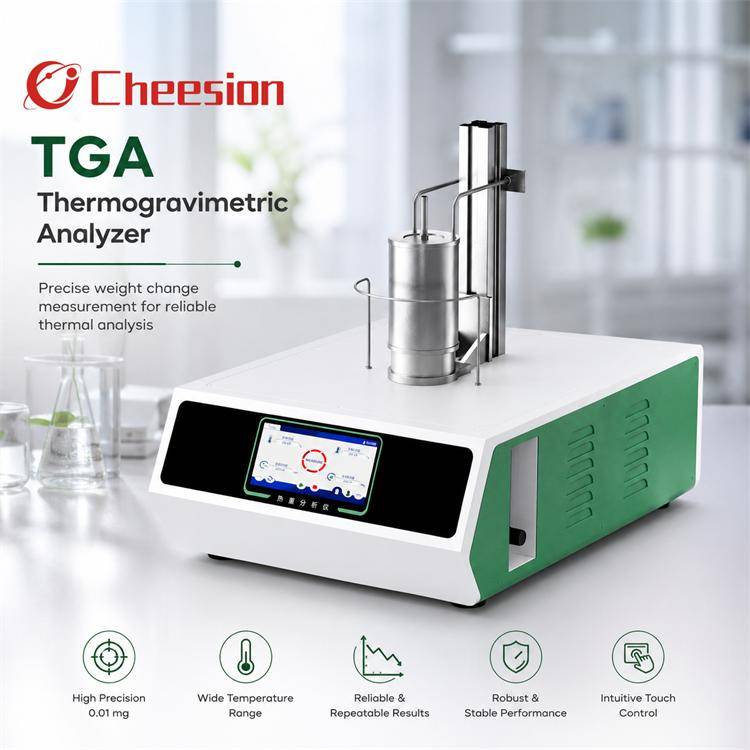
TGA Thermogravimetric Analyzer for Polymer and Material Testing
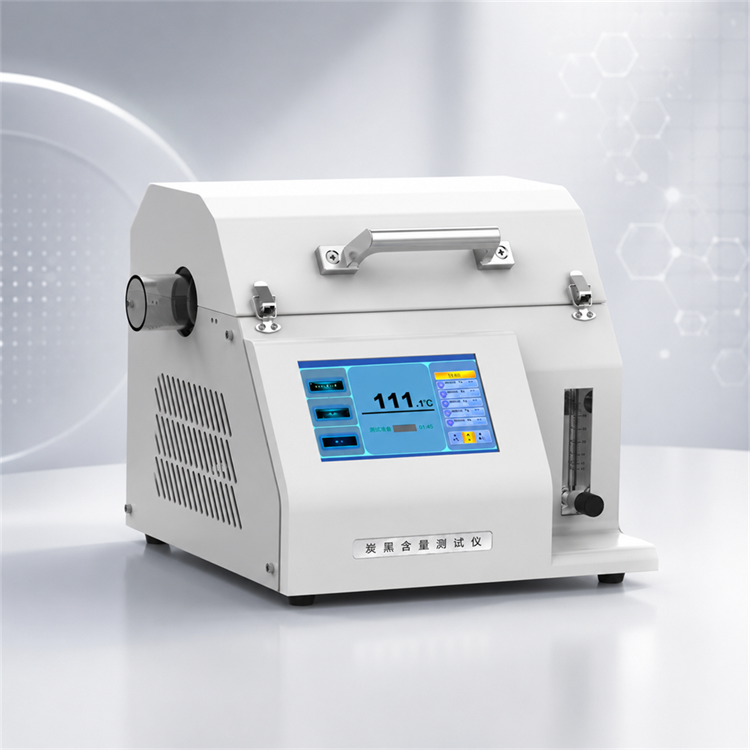
Carbon Black Content Tester for Polyethylene and Cable Materials
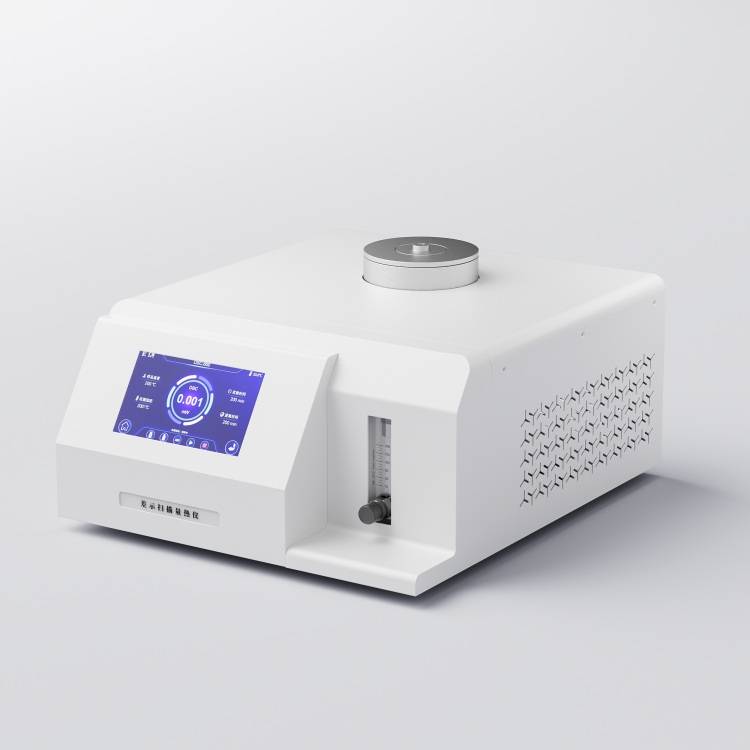
Differential Scanning Calorimeter DSC for Polymer Thermal Analysis
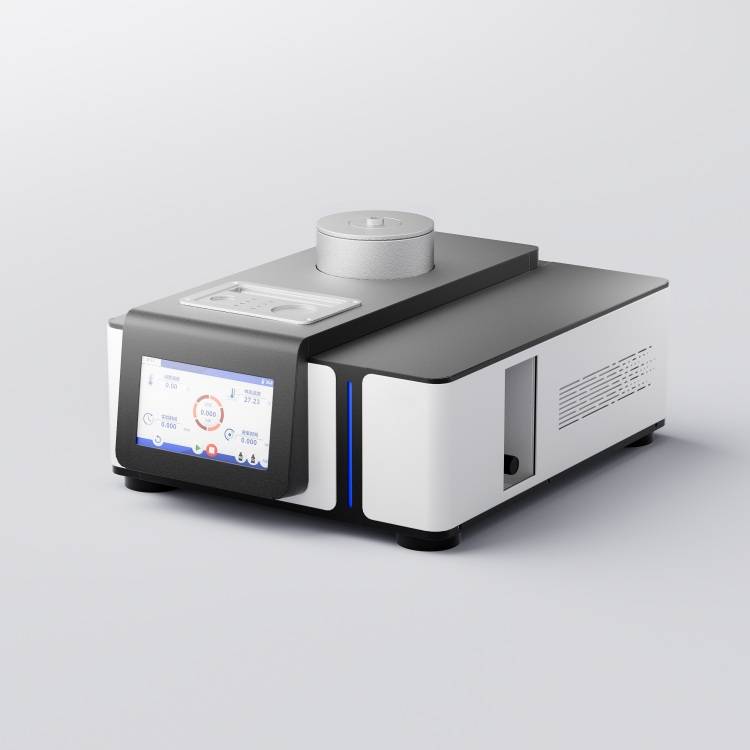
DSC 600C Differential Scanning Calorimeter for Thermal Analysis
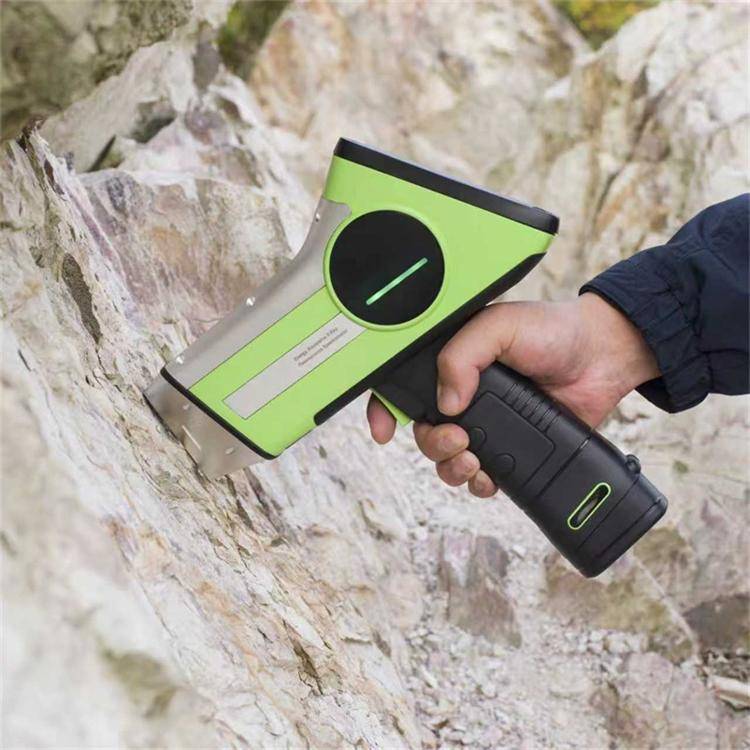
XRF Soil Analyzer for Environmental Testing and Field Analysis
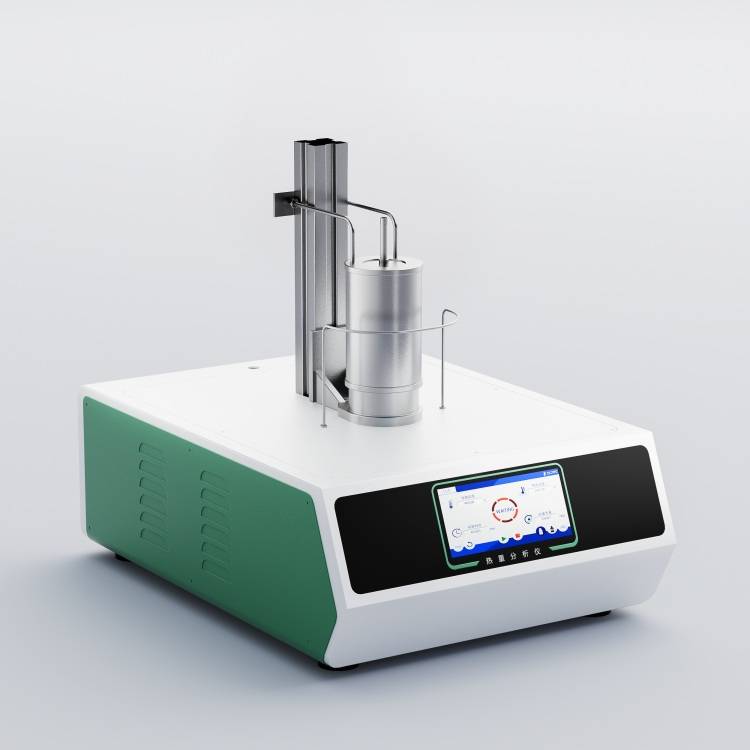
Thermogravimetric Analyzer for Material Thermal Stability Analysis