
Differential Scanning Calorimeter (DSC)
Advanced Differential Scanning Calorimeter for Material Thermal Analysis
CHEESION Advanced DSC provides precise thermal analysis for polymers, plastics and advanced materials, including Tg, melting, crystallization and OIT testing.
High Performance DSC for Precise Material Thermal Characterization
The CHEESION Advanced Differential Scanning Calorimeter is designed for precise measurement of heat flow and thermal transitions under controlled temperature conditions. It provides reliable thermal analysis data for material research, formulation development, quality control and production verification.
Compared with routine DSC testing, the Advanced DSC is designed for applications requiring improved temperature control, stable heat flow measurement and repeatable thermal characterization. It can be used to investigate glass transition, melting, crystallization, oxidation induction behavior and other thermal events in polymers and advanced materials.
The instrument is suitable for plastics, rubber, polymer composites, cable materials, films, pipes, automotive materials, chemicals, pharmaceuticals, battery materials and research laboratories.
Key Features:
Precise heat flow measurement
Stable and repeatable thermal analysis
Programmable heating and cooling procedures
Glass transition temperature measurement
Melting and crystallization analysis
Enthalpy and thermal transition analysis
Oxidation induction time testing
Controlled atmosphere testing
Integrated touchscreen operation
Professional analysis software
Suitable for R&D and quality control
Multiple configurations available for different applications
The CHEESION Advanced DSC is suitable for thermal characterization of polymers, plastics, rubber, composites and other advanced materials. It can measure glass transition temperature, melting behavior, crystallization, enthalpy changes and oxidation induction time, helping users understand material structure and thermal performance.
In polymer and plastics testing, the instrument supports formulation comparison, raw material verification, batch consistency evaluation and processing optimization. It is suitable for polyethylene, polypropylene, PET, PA, ABS, engineering plastics and modified polymer materials.
For cable, pipe, film and geomembrane industries, Advanced DSC can be used for oxidation induction time testing, melting and crystallization analysis, helping evaluate antioxidant performance, thermal aging resistance and long term material stability.
In rubber and automotive material applications, DSC supports glass transition analysis, formulation comparison and evaluation of material behavior under changing temperature conditions.
For battery materials, chemicals and advanced material research, the instrument can be used to study phase transitions, thermal reactions and material stability, supporting product development and safety evaluation.
The CHEESION Advanced DSC is also suitable for universities, research institutes, independent laboratories and industrial quality control departments for material characterization, R&D, supplier verification and finished product inspection.
Typical Industries
Polymer and Plastics
Rubber and Elastomers
Cable and Wire
PE Pipes and Geomembranes
Plastic Films and Sheets
Automotive Materials
Composite Materials
Battery Materials
Chemicals
Pharmaceuticals
Universities and Research Institutes
Quality Control Laboratories
Main Test Functions
Glass Transition Temperature Tg
Melting Temperature Tm
Crystallization Temperature Tc
Melting Enthalpy
Crystallization Enthalpy
Degree of Crystallinity
Oxidation Induction Time OIT
Heat Flow Analysis
Thermal Transition Analysis
Material Comparison
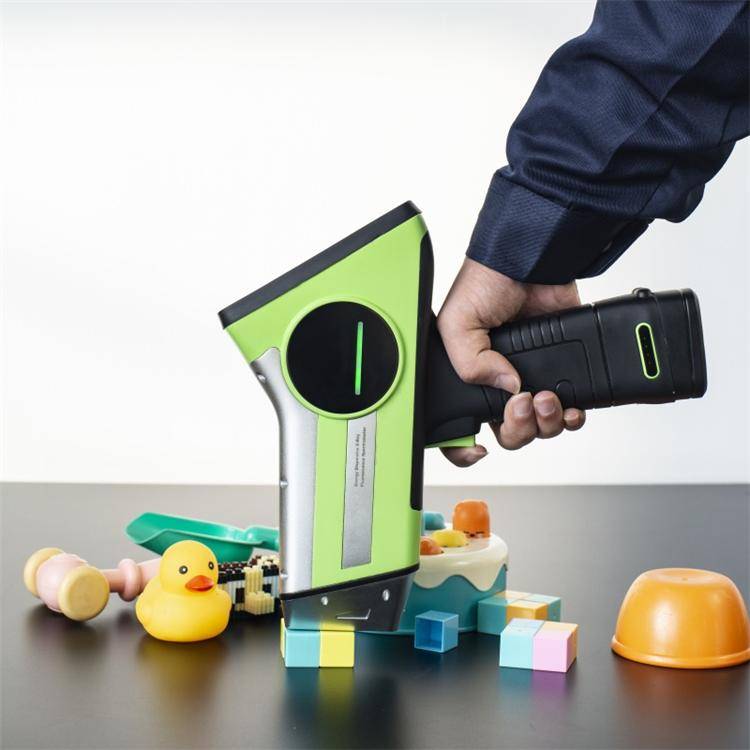
Handheld XRF X-ray Fluorescence XRF Spectrometer Analyzer for Elemental Analysis
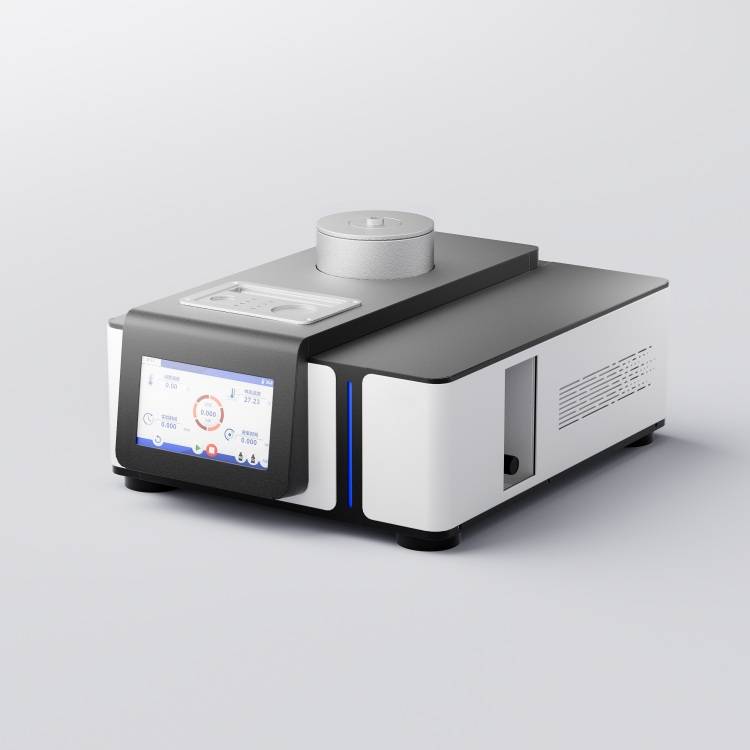
DSC 600C Differential Scanning Calorimeter for Thermal Analysis
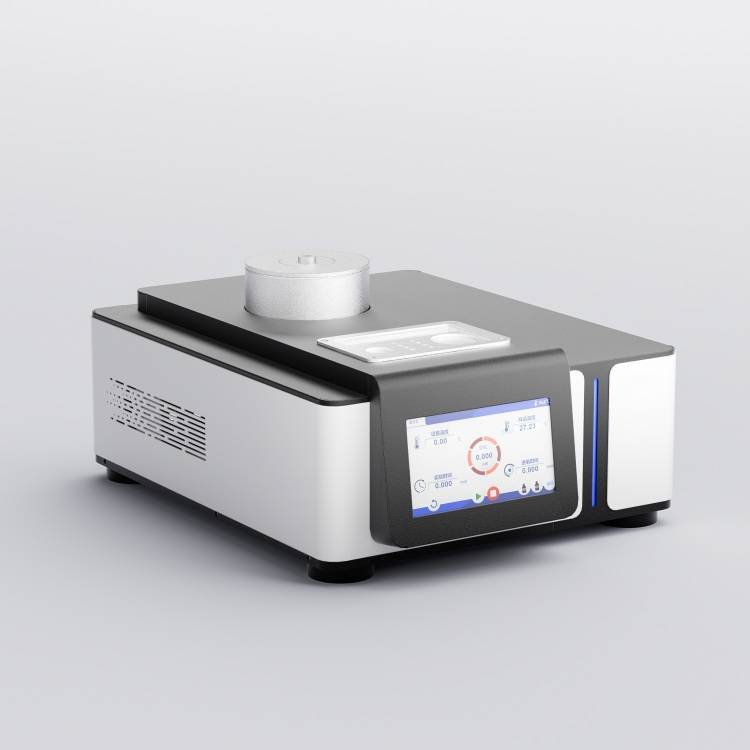
Advanced Differential Scanning Calorimeter for Material Thermal Analysis
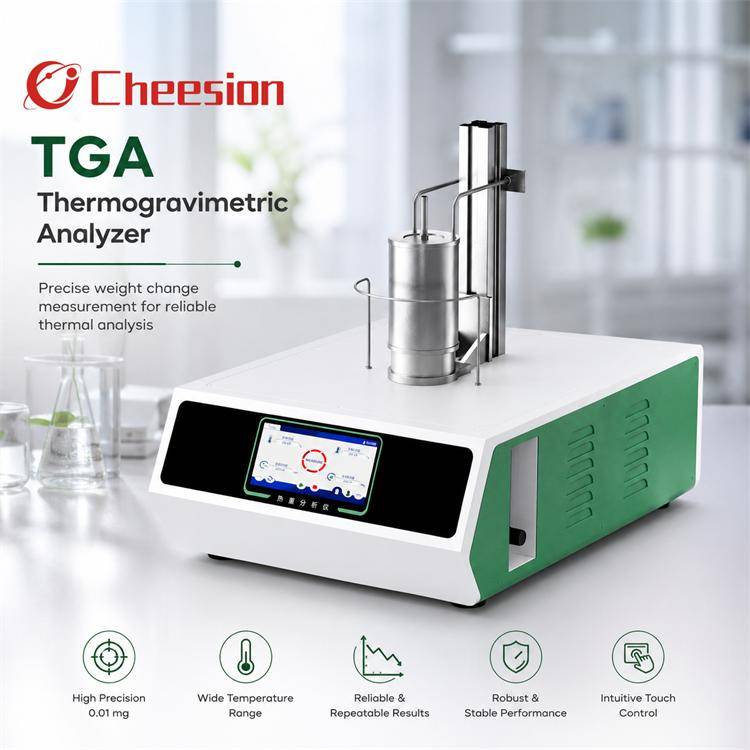
TGA Thermogravimetric Analyzer for Polymer and Material Testing
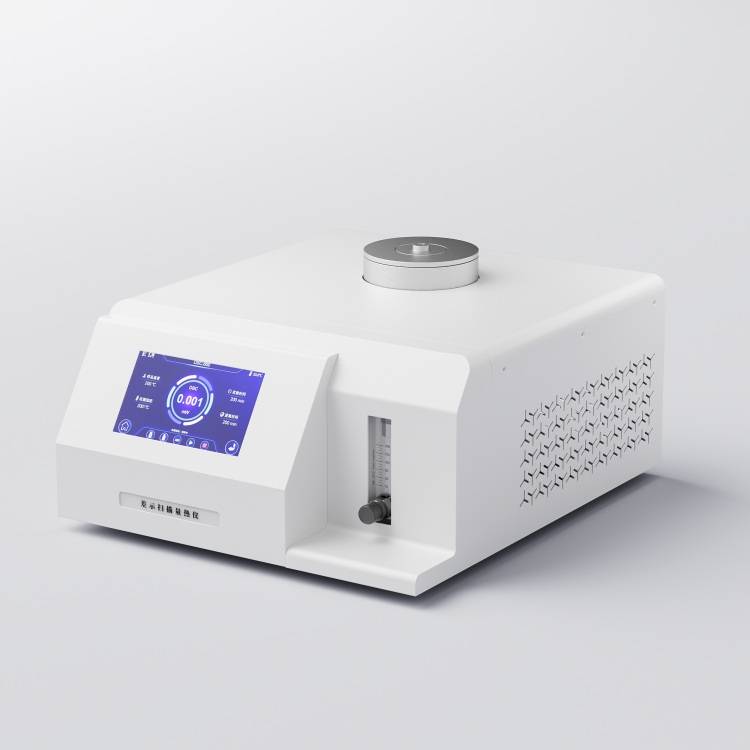
Differential Scanning Calorimeter DSC for Polymer Thermal Analysis
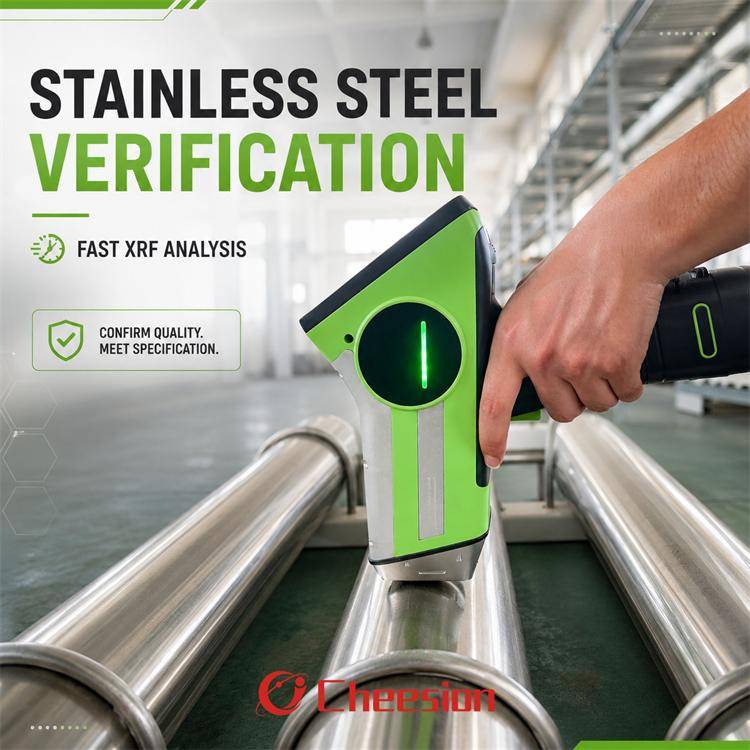
Handheld XRF Analyzer for Stainless Steel Grade Identification