
Thermogravimetric analyzer (TG, TGA)
TGA Thermogravimetric Analyzer for Polymer and Material Testing
CHEESION TGA Thermogravimetric Analyzer measures weight loss, thermal stability, decomposition, carbon black, ash, fillers, moisture and volatiles in polymers and advanced materials.
Reliable Weight Change and Thermal Stability Analysis for Material Research and Quality Control
The Thermogravimetric Analyzer, commonly referred to as a TGA analyzer, is designed to continuously measure the mass change of a sample as a function of temperature or time under a controlled atmosphere. By recording weight variation during programmed heating, cooling, or isothermal testing, the instrument provides detailed information about thermal decomposition, moisture and volatile content, oxidation behavior, residual mass, filler content, ash content, carbon black content, and overall thermal stability.
TGA is one of the most important thermal analysis techniques for evaluating the composition and thermal behavior of materials. It is widely used in polymer science, plastics, rubber, cable materials, composites, chemicals, pharmaceuticals, battery materials, and other industrial and research applications.
CHEESION TGA systems are developed for laboratories, universities, research institutes, raw material suppliers, manufacturers, and quality control departments that require stable, repeatable, and application-oriented thermogravimetric data. The instrument supports material development, formulation comparison, supplier verification, production quality control, failure investigation, and finished-product evaluation.
Product Introduction
During a TGA measurement, a small sample is placed in a high-sensitivity balance system and subjected to a controlled temperature program. As the temperature changes, the instrument continuously records changes in sample mass. The resulting thermogravimetric curve shows the relationship between weight and temperature or time, while derivative analysis can be used to identify the temperature ranges where specific decomposition or volatilization processes occur.
This measurement method allows users to distinguish different stages of material loss and residual content. For example, an initial weight decrease may indicate moisture or volatile components, while subsequent mass changes may correspond to polymer decomposition, additive degradation, oxidation, or combustion. The remaining residue can provide useful information about inorganic fillers, ash, reinforcement materials, or other non-volatile components.
For polymer and industrial material analysis, TGA can provide valuable insight into formulation consistency, thermal durability, material purity, additive levels, and decomposition behavior. This makes the technique especially useful for both research laboratories and routine production quality control.
| Parameter | Specification |
| Temperature Range | Room Temp to 1250 degC |
| Temperature Resolution | 0.01 degC |
| Temperature Fluctuation | +/-0.01 degC |
| Heating Rate | 0.1 to 100 degC/min |
| Balance Range | 0.01 mg to 5 g |
| Mass Resolution | 0.01 mg |
| Isothermal Time | 0 to 500 min (user-configurable) |
| Cooling Time | 30 min (1000 degC to 100 degC) |
| Timing Frequency | 16.6 Hz |
| Sampling Rate | 0.05 to 10 Hz (program configurable) |
| Experimental Mode | FTC / STC (user-selectable) |
| Experiment Type | Mass loss / Mass gain (adsorption) |
| Program Temperature Control | Full-range 12-stage flexible settings |
| Temperature Control Type | Heating / Isothermal / Cooling |
| Loop Scan | Up to 9999 cycles with automatic data saving |
| Instrument Calibration | Multi-point on both controller and host |
| Display | 7-inch LCD color touchscreen, 24-bit |
| Atmosphere Control | 2 channels, freely configurable, auto-switching |
| Reference Materials | Standard reference materials included |
| Power Supply | AC220V/50Hz (AC110V customizable) |
Measurement Capabilities
The CHEESION TGA analyzer can be used to evaluate multiple material properties within a single thermal program. By analyzing the position, magnitude, and rate of mass changes, users can obtain quantitative or comparative information on different material components.
Typical measurements include thermal decomposition temperature, moisture content, volatile content, oxidation behavior, residual mass, ash content, filler content, carbon black content, thermal stability, and multi-stage decomposition processes.
For more complex formulations, the TGA curve can also be used to compare different batches, formulations, additives, raw material sources, or processing conditions. This allows R&D and quality control teams to identify differences that may not be visible through conventional physical inspection.
Product Applications
The CHEESION Thermogravimetric Analyzer is widely applied in polymers, plastics, rubber, cable materials, pipes, films, composites, chemicals, pharmaceuticals, battery materials, and advanced material research.
In the plastics and polymer industry, TGA is used to study thermal decomposition, formulation composition, moisture, volatiles, additives, fillers, and residual content. It helps manufacturers evaluate material consistency, compare modified formulations, verify raw materials, and determine whether processing or supplier variations have affected material quality.
For rubber and elastomer products, TGA provides valuable information about carbon black, inorganic filler, volatile components, polymer decomposition, and residual ash. These measurements are useful in tire materials, sealing compounds, technical rubber products, cable insulation, and other applications where formulation consistency directly affects performance.
In the cable, pipe, film, and geomembrane industries, TGA is commonly used for composition verification and carbon black analysis. It can support the evaluation of cable sheath materials, black polyethylene pipes, PE geomembranes, agricultural films, and other polymer products where carbon black and additive content influence UV resistance, aging resistance, and long-term durability.
For composite and advanced materials, TGA can be used to determine the relative proportions of organic matrix, inorganic reinforcement, fillers, and residual components. This provides important information for material development, process optimization, and quality assurance.
In chemical and pharmaceutical applications, TGA supports the evaluation of moisture, volatile components, decomposition stages, thermal stability, and residual mass. It can be used to compare raw materials, formulations, intermediates, and finished products under controlled thermal conditions.
In battery and energy material research, TGA can help characterize decomposition behavior, residual components, binder content, moisture, and thermal stability of electrode materials, separators, additives, and related energy-storage materials.
For universities, research institutes, and independent laboratories, TGA provides a flexible analytical platform for material science, polymer research, chemical engineering, battery research, composite materials, and thermal stability studies.
In industrial quality control, TGA can be used from incoming raw material inspection through finished-product verification. It helps quality departments compare supplier batches, identify abnormal composition changes, verify filler or carbon black content, investigate thermal degradation, and improve consistency across production batches.
Typical Industries
CHEESION TGA solutions are suitable for:
Polymer and plastics manufacturers
Rubber and elastomer producers
Cable and wire manufacturers
Pipe and film producers
Automotive component suppliers
Composite material manufacturers
Battery and energy material laboratories
Chemical and pharmaceutical companies
Universities and research institutes
Independent testing laboratories
Raw material suppliers
Industrial quality control departments
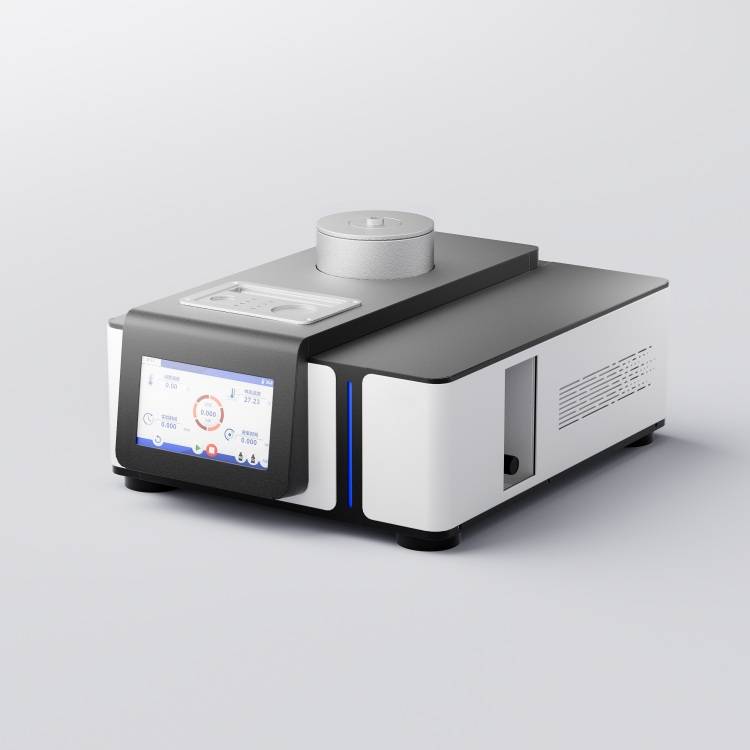
DSC 600C Differential Scanning Calorimeter for Thermal Analysis
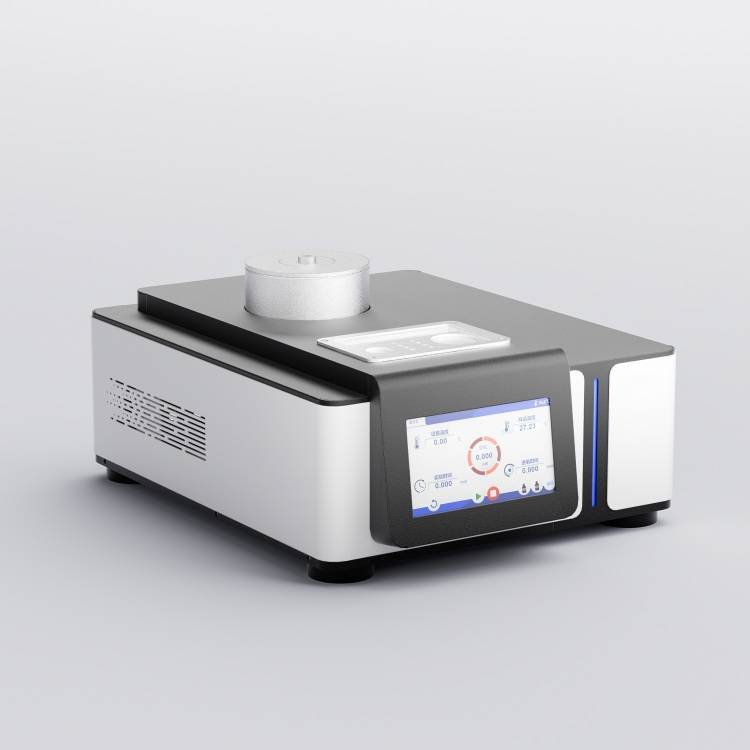
Advanced Differential Scanning Calorimeter for Material Thermal Analysis
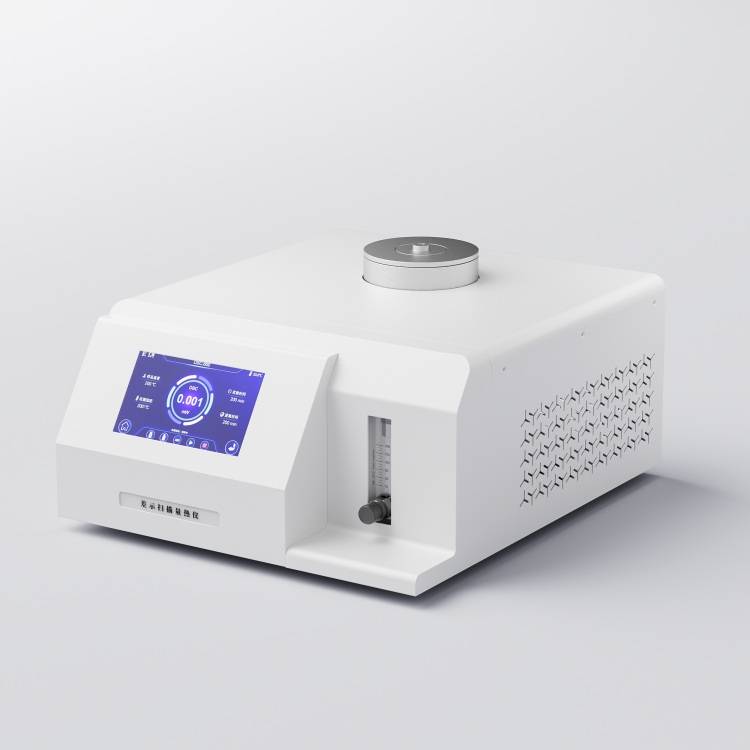
Differential Scanning Calorimeter DSC for Polymer Thermal Analysis
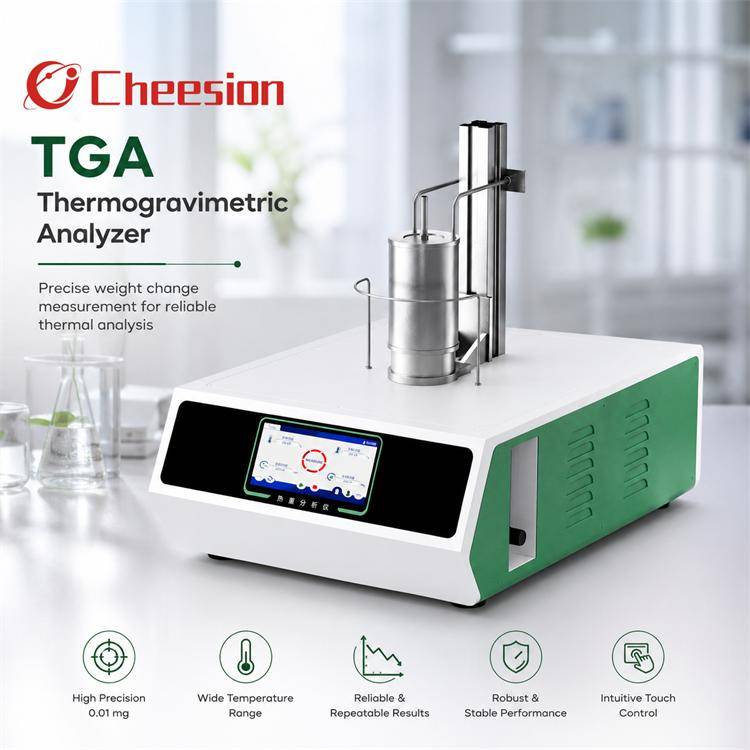
TGA Thermogravimetric Analyzer for Polymer and Material Testing
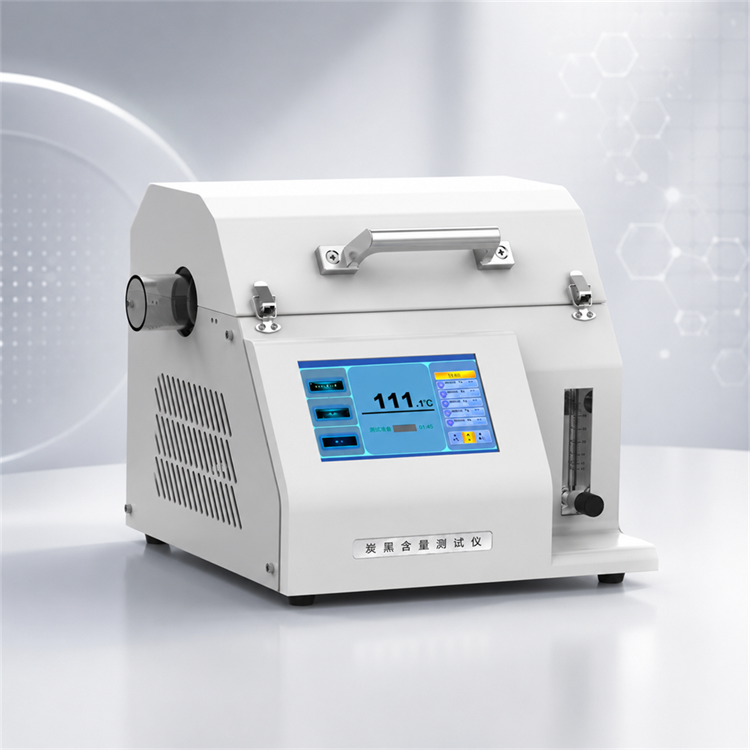
Carbon Black Content Tester for Polyethylene and Cable Materials

Handheld XRF Analyzer for Stainless Steel Grade Identification